

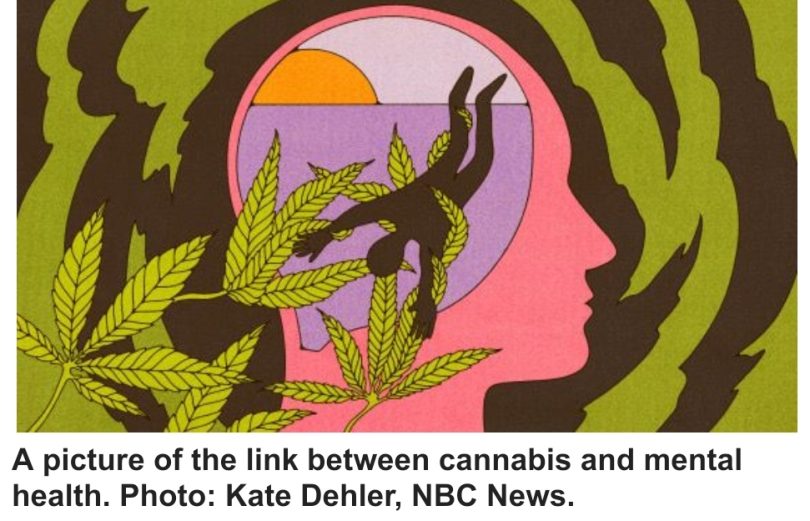

As cannabis use becomes increasingly mainstream both medically and recreationally scientists, clinicians, policymakers, and the public are confronting a complex question: What is the true relationship between cannabis and mental health? The answer is far from simple, and emerging research underscores a mix of myths, potential benefits, known risks, and gaps in scientific understanding.
The Rise of Cannabis and Its Potency
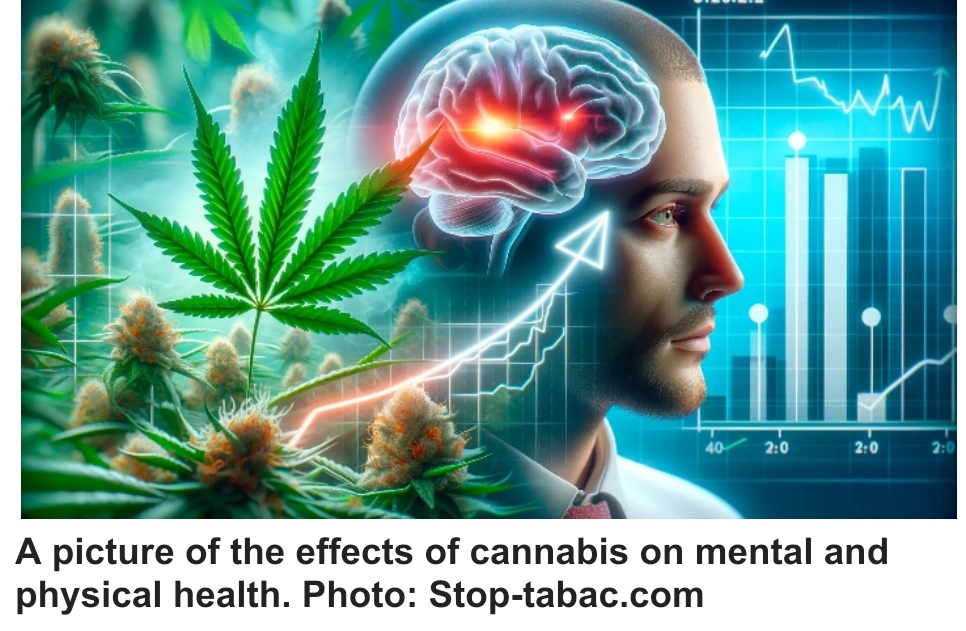
Cannabis products today often contain much higher levels of THC the compound responsible for psychoactive effects than in the past. Higher potency has raised concerns among researchers about effects on the brain and behavior, especially in heavy or frequent users. Some studies have linked high-potency cannabis use to an increased risk of psychosis and cannabis use disorder, though evidence about other mental health outcomes remains mixed and incomplete.
Mental Health Risks: What the Evidence Says
A growing body of research suggests associations between heavy cannabis use and certain mental health conditions. For example:
• Psychosis and schizophrenia spectrum disorders: Several large studies have found that frequent or high-THC cannabis use is linked to an elevated risk of psychotic disorders, even in individuals without a genetic predisposition.
• Hospital visits and diagnosis correlations: Research from Arizona State University reported that cannabis-related hospital admissions are significantly more likely to involve a primary mental health diagnosis compared with non-cannabis hospital visits.
• Cannabis use disorder (CUD) and comorbidities: Genetic studies show that cannabis use disorder shares links with several psychiatric conditions, including depression, ADHD, and PTSD, underlining the complex interplay between use patterns and mental health.
While associations with anxiety and depression have been observed in some studies, results vary widely and are often complicated by other factors such as personal history, use patterns, and co-occurring conditions.
Therapeutic Potential: Reality vs. Hype
Despite widespread public perception that cannabis relieves anxiety, depression, or stress, rigorous clinical evidence supporting these effects remains limited or inconsistent. A recent comprehensive review noted that scientific support for medical cannabis in treating most mental health conditions including anxiety and insomnia is lacking.
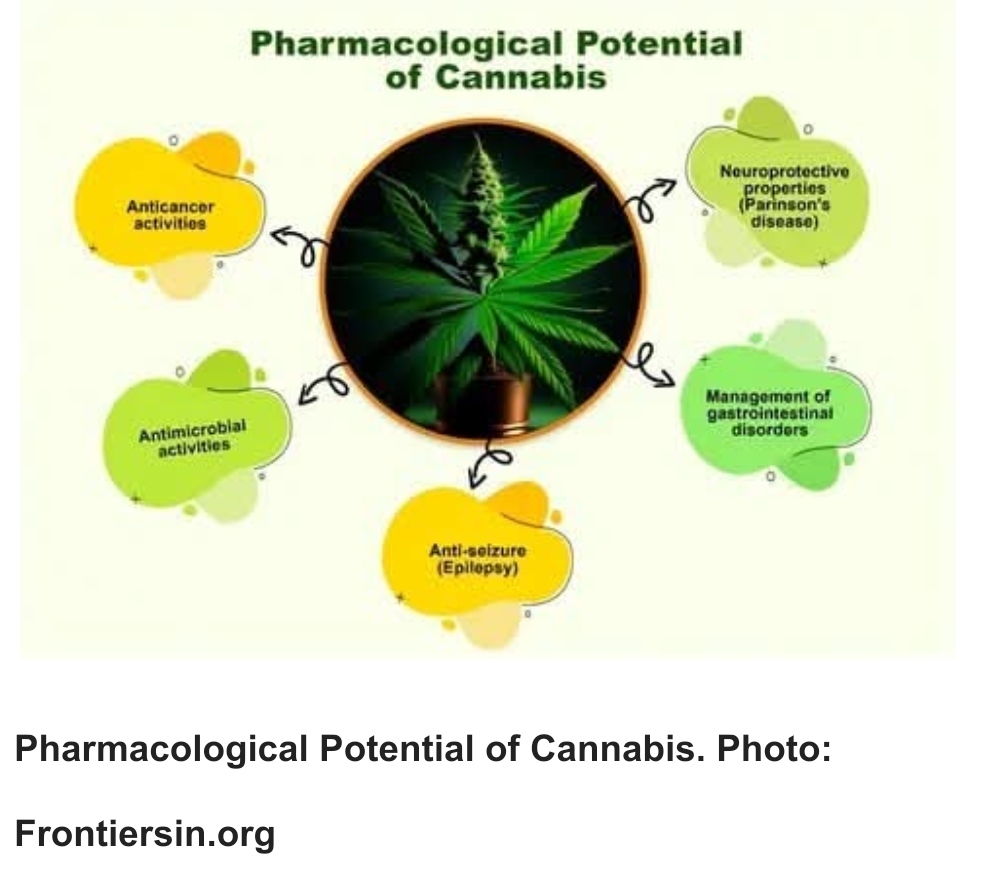
However, some emerging studies suggest that certain cannabis-derived therapies could have therapeutic value in specific contexts:
• Cannabinoids in clinical research: Systematic reviews and meta-analyses are underway to evaluate the safety and potential efficacy of cannabinoids for mental health and substance use disorders.
• Targeted therapeutic use: Early research, including small clinical trials, has reported reductions in symptoms of anxiety and depression among some patients using medically supervised cannabis products, though results are preliminary and require more robust investigation.
Myths and Misconceptions
Public beliefs about cannabis often outpace the science. A common misconception is that cannabis is a benign or universally beneficial mood regulator. Surveys indicate many users believe cannabis improves symptoms of anxiety and depression yet this subjective relief doesn’t always align with objective measures of mental health outcomes, and may delay or replace evidence-based care.
Another persistent myth is that cannabis has no lasting impact on cognition. Some research, however, suggests heavy lifetime use especially beginning in adolescence may be associated with changes in working memory and cognitive processing.
Navigating the Evidence: What Comes Next
Experts agree that more high-quality research is urgently needed. Many existing studies are observational, making it difficult to determine cause and effect. Randomized controlled trials considered the gold standard in clinical research are scarce in the field of cannabis and mental health.
Organizations like the National Alliance on Mental Illness (NAMI) advocate for policies that prioritize rigorous, evidence-based research to guide clinical and public health recommendations.
Conclusion
Cannabis is neither a panacea nor a uniform public health threat. Its relationship with mental health is complex, influenced by dose, frequency, age of onset, underlying vulnerabilities, and social context. As legalization expands and scientific methods improve, a clearer picture is emerging one that acknowledges both potential therapeutic avenues and real risks. For patients and consumers alike, informed decision-making should be grounded in science rather than sensationalism.
Written by Mohaj Salaheldin, Consultant, Humanitarian and Freelance Journalist.