
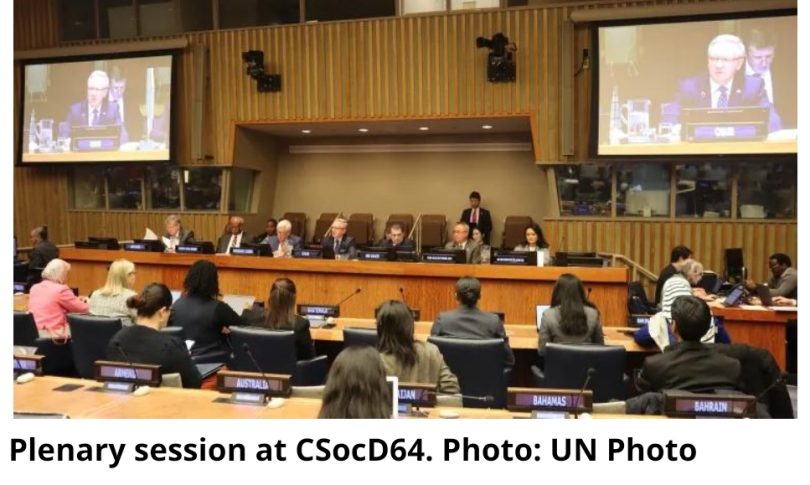

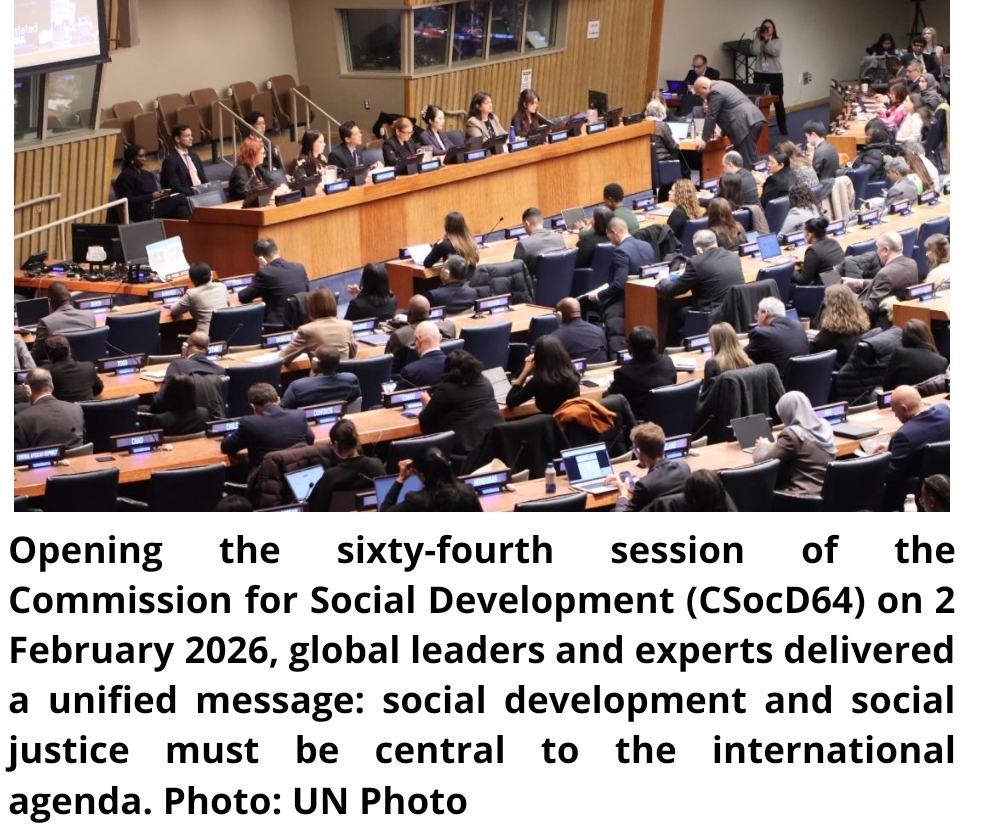
The 64th session of the United Nations Commission for Social Development (CSocD64) opened on 2 February 2026, to some relative fanfare, amidst global fragility and renewed political resolve.
The political landscape is still adjusting to the discussions at Davos 2026, and this event serves as a means to ensure continuity of meaningful meetings. Convening at United Nations Headquarters in New York from 2 to 10 February, the Commission has been tasked with an unambiguous mandate: to translate global commitments on social development and social justice into coordinated, equitable, and inclusive policies that restore dignity, resilience, and trust in public institutions.
This year’s session is the first major functional commission to follow the Second World Summit for Social Development held in Doha in late 2025. As such, CSocD64 has emerged not as a routine review forum, but as the primary multilateral platform for testing whether the Doha Political Declaration can move beyond rhetoric and shape tangible national and international action. From its opening plenary, the message from Member States and senior United Nations leadership was clear. Social development is no longer a peripheral concern. It is the foundation upon which economic stability, social cohesion, and the credibility of multilateralism itself now rest.
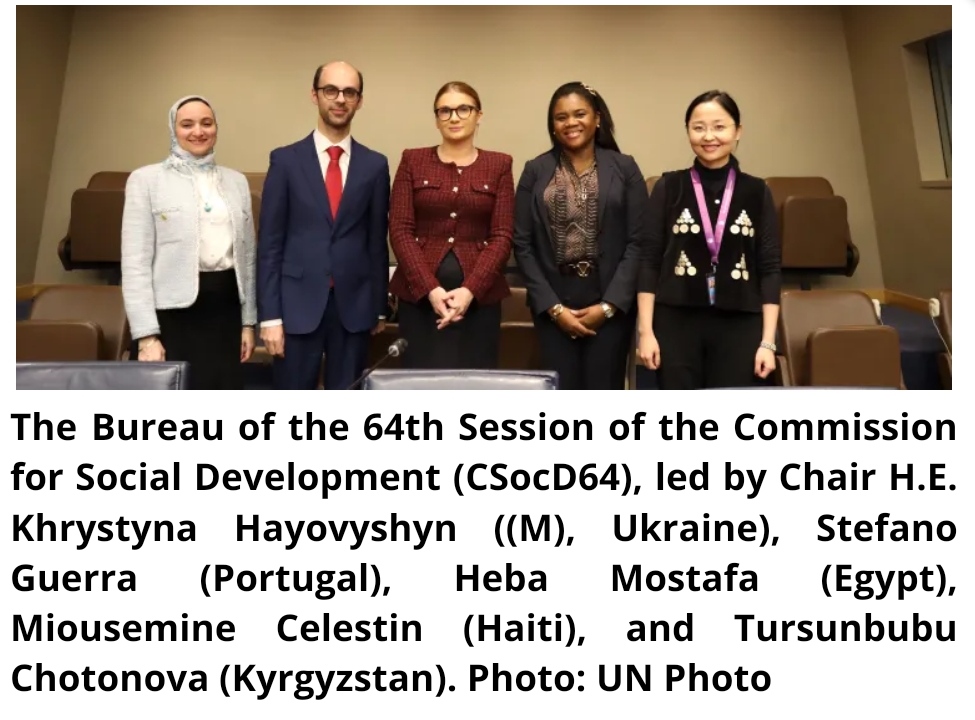
Opening the session, Khrystyna Hayovyshyn of Ukraine, Chair of the Commission, spoke firmly that CSocD64 carries the principal responsibility for reviewing and advancing the commitments enshrined in the Doha Declaration. She cautioned delegates against treating the outcome document as aspirational language detached from implementation realities. The true measure of the Commission’s relevance, she argued, lies in its capacity to provide strategic direction, ensure systematic follow-up, and sustain political momentum at a time when inequality, poverty, and social exclusion are deepening across regions.
Her intervention set the tone for a session anchored in accountability. Social standards, she noted, are not acts of benevolence but shared global obligations. In an era of overlapping crises, from climate shocks to conflict-driven displacement, failure to invest in people risks eroding the social contract within and between states.
This sense of urgency was reinforced by Deputy Secretary General Amina Mohammed, who framed the Doha Political Declaration as a decisive break from incrementalism. She called on governments to embed social development priorities into national policy pathways that link employment creation, universal social protection floors, and inclusive public services. Social investments, she stressed, are not fiscal liabilities but stabilizing forces that underpin long-term development and democratic legitimacy.
The opening day further elevated the geopolitical stakes of social policy. Annalena Baerbock, President of the General Assembly at its eightieth session, warned of a self-reinforcing cycle in which climate stress fuels hunger and poverty, which in turn exacerbates instability and conflict. Addressing poverty and inequality, she argued, is both a moral imperative and a strategic investment in global resilience. Lok Bahadur Thapa, President of the Economic and Social Council, echoed this assessment, highlighting how widening inequalities are corroding trust in institutions and weakening governance. He emphasized that robust care systems, in particular, strengthen resilience across the life course while expanding women’s participation in the formal economy.
As deliberations moved into the thematic discussions, the Commission held a high-level panel on coordination and governance, equity, inclusion, and participation. Moderated by Stefaan Verhulst of The GovLab at New York University, the panel explored the structural barriers that continue to fragment social policy implementation. Sabina Alkire, Professor of Poverty and Human Development at Oxford University, delivered a keynote that reframed coordination not merely as an institutional challenge, but as a cognitive one. Policies, she argued, must be designed within a shared mental architecture of governance, where health, education, employment, and social protection reinforce rather than undermine one another.
By 4 February, the Commission had turned its attention to one of the session’s key emerging issues: eradicating poverty and ensuring dignity through resilient care and support systems. At its sixth meeting, a high-level panel moderated by José Antonio Ocampo of Columbia University’s School of International and Public Affairs examined the care economy as a strategic driver of social inclusion rather than a residual welfare function.
The discussion marked a shift in framing. Care systems were no longer presented as informal or private responsibilities absorbed by households, but as public goods essential to sustainable development. Speakers highlighted how the unequal distribution of unpaid care work continues to limit women’s economic participation and entrench intergenerational poverty. Without deliberate public investment, care deficits risk widening existing inequalities in ageing societies and fragile economies alike.
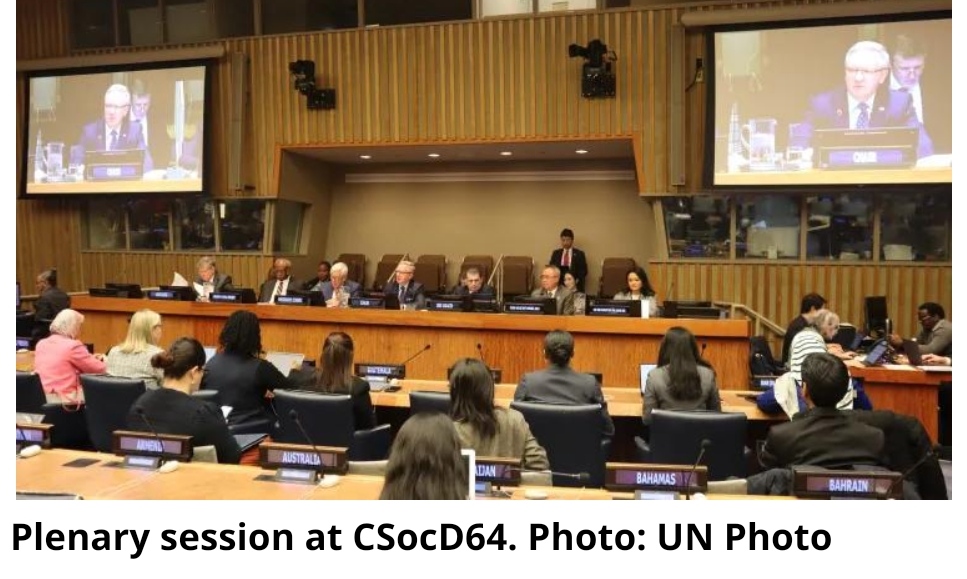
Li Xin, Director General of the International Poverty Reduction Centre in China, shared national experiences where poverty eradication was elevated to a core governance priority. He outlined how integrating care policies into broader social protection frameworks can simultaneously support vulnerable populations and prevent households from falling back into poverty. The session reinforced the consensus that resilient care systems deliver high social and economic returns by creating jobs, formalizing labor, and safeguarding dignity across the life course.
Throughout the discussions, Member States repeatedly linked the day’s deliberations back to the Doha Political Declaration. The Commission’s work, delegates emphasized, is not a continuation of abstract debate but a direct operational follow-up to commitments made only months earlier. Financing, coordination, and political will emerged as the defining challenges, particularly for countries navigating fiscal constraints and demographic transitions.