

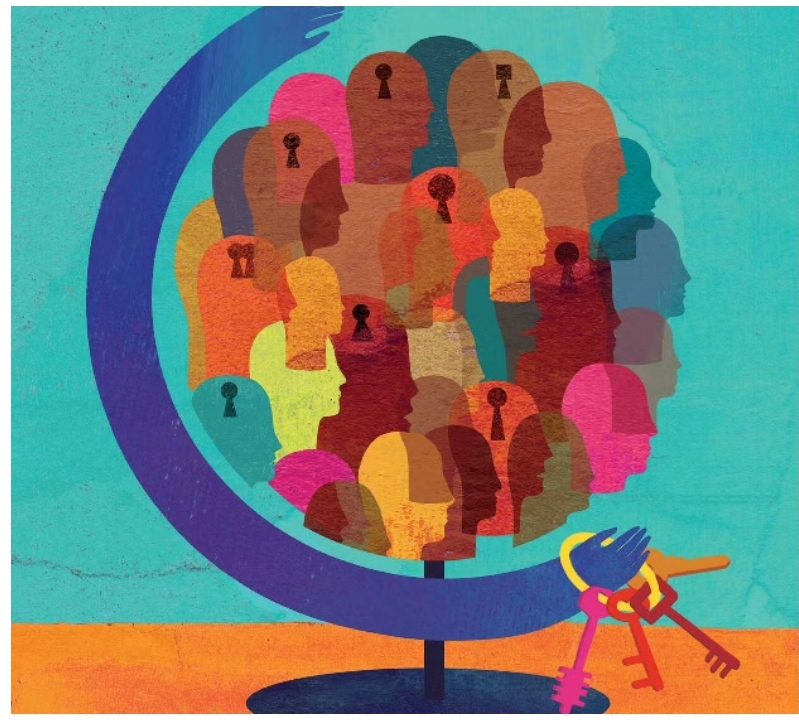

Mental health has become an increasingly important topic in today’s society. Many people turn to psychotherapy to better understand their emotions and manage conditions such as anxiety and depression. However, one factor that is often overlooked in conversations about mental health is culture. Cultural background can strongly influence how individuals perceive psychological problems, whether they seek therapy, and how effective treatment may be.
The Cultural Lens of Mental Health
Culture shapes how people understand emotional distress. In some communities, discussing personal emotions openly is common and even encouraged. In others, talking about mental health may be considered private or even taboo. Because of this, many individuals hesitate to seek professional help even when they are struggling.
Stigma surrounding mental illness is still present in many parts of the world. Some people fear that admitting to anxiety or depression may lead to judgment from family members, friends, or the wider community. This stigma can delay treatment and make emotional challenges even harder to manage.
Psychologists such as Derald Wing Sue have emphasized the importance of cultural awareness in therapy. According to his research, therapists who understand a patient’s cultural background are better able to build trust and create more effective treatment plans.
Language and Communication Matter
Another key factor in psychotherapy is communication. Therapy often depends on a person’s ability to describe their thoughts, feelings, and experiences clearly. When patients and therapists do not share the same language or cultural communication style, misunderstandings may occur.
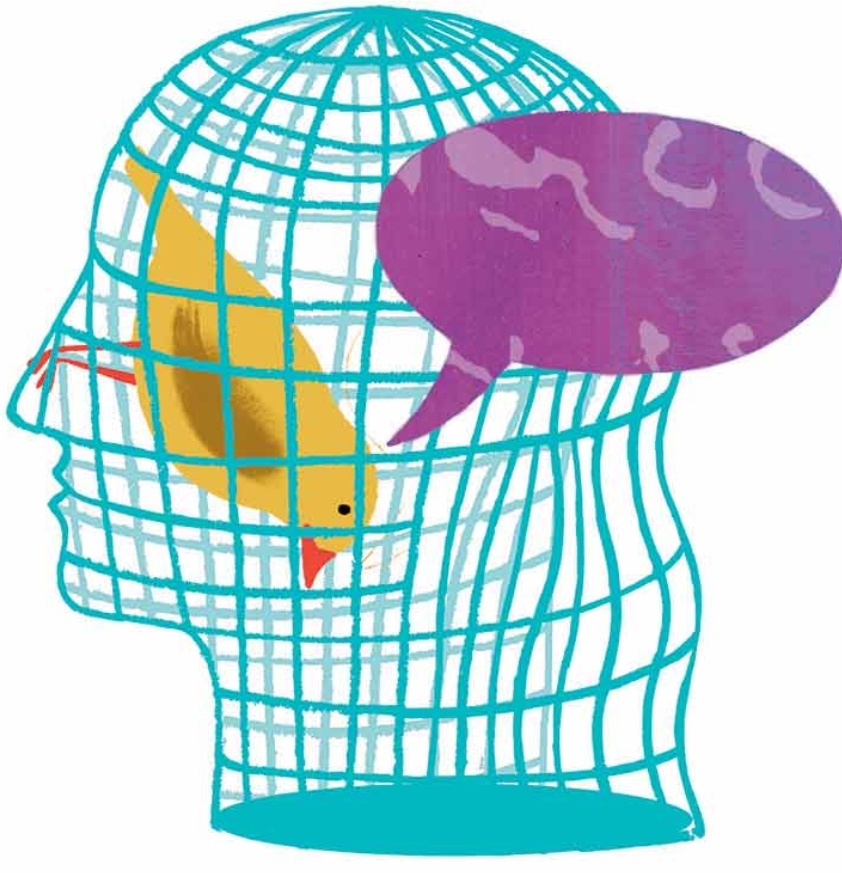
For example, some cultures encourage direct emotional expression, while others emphasize modesty and emotional restraint. Recognizing these differences allows therapists to better understand the patient’s perspective and avoid misinterpretation.
Experts such as Stanley Sue have highlighted how culturally responsive therapy improves engagement and outcomes, particularly for individuals from minority communities.
Culture and Family Influence
Family and community relationships also shape attitudes toward mental health treatment. In many cultures, families play a central role in decision-making and emotional support. As a result, therapy that acknowledges family dynamics may be more effective than approaches that focus solely on the individual.
Understanding these cultural dynamics allows therapists to adapt their approach in ways that respect the patient’s values and social environment.
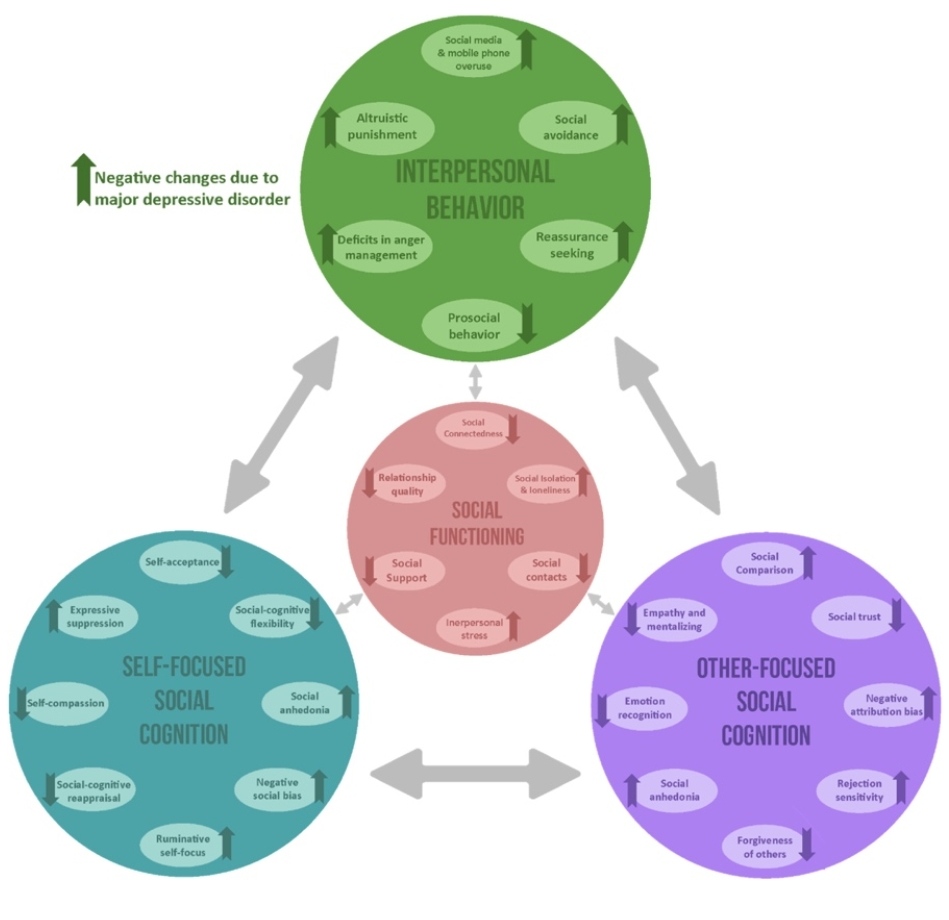
Practical Ways to Manage Anxiety and Depression
While cultural awareness is essential in therapy, there are also practical strategies that many people can use to manage anxiety and depression in everyday life
1. Gradual Exposure
Facing fears step by step can help reduce anxiety over time. This technique encourages individuals to slowly confront situations that cause stress in a controlled and manageable way.
2. Cognitive Restructuring
Negative thought patterns often worsen anxiety and depression. Techniques developed by researchers such as Aaron T. Beck encourage individuals to challenge pessimistic thinking and replace it with more balanced perspectives.
3. Relaxation Techniques
Simple practices such as deep breathing, meditation, or yoga can help calm the body’s stress response and improve emotional stability.
4. Building Support Networks
Friends, family members, and supportive communities can play an important role in mental health recovery. Talking with trusted people often reduces feelings of isolation and encourages individuals to seek professional help when necessary.
A More Culturally Aware Future for Mental Health
As mental health awareness continues to grow, experts stress the importance of recognizing cultural diversity in psychological care. Therapists who respect cultural values, language differences, and family dynamics are better equipped to support their patients.
At the same time, individuals can benefit from learning practical coping strategies and building strong support systems. By combining professional care with cultural understanding and everyday mental health practices, communities can create a more supportive environment for those dealing with anxiety and depression.
Mental health affects everyone, but the way we understand and address it is often shaped by culture. Recognizing this connection is an important step toward more inclusive and effective