

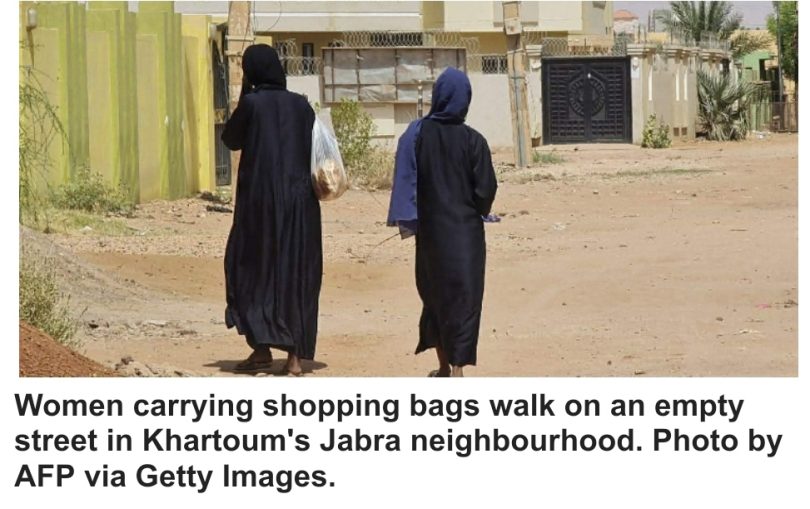

As Sudan’s conflict continues to devastate communities across the country, women and girls are bearing a disproportionate and deeply alarming burden of the violence. Reports of conflict-related sexual violence are increasing, revealing a pattern of abuse that is systematic, underreported, and largely met with impunity. Beyond the immediate physical and psychological harm inflicted on survivors, these violations threaten the social fabric of communities and undermine prospects for peace, recovery, and sustainable development.
A Weapon of War and a Human Rights Violation
Sexual violence in Sudan’s conflict is not incidental; it is increasingly used as a tactic of war to terrorize populations, displace communities, and assert control. Women and girls, including those from marginalized and displaced communities, face heightened risks during attacks, forced displacement, and while seeking basic necessities such as food, water, or healthcare.
“These acts constitute grave violations of international humanitarian and human rights law,” ; “They are not only crimes against individuals, but assaults on entire communities and on the principles of dignity and justice.” Said Human Rights Watch on behalf of a coalition of NGOs calling for the release of unlawfully detained health workers in Gaza and the West Bank, issued on June 30, 2025.
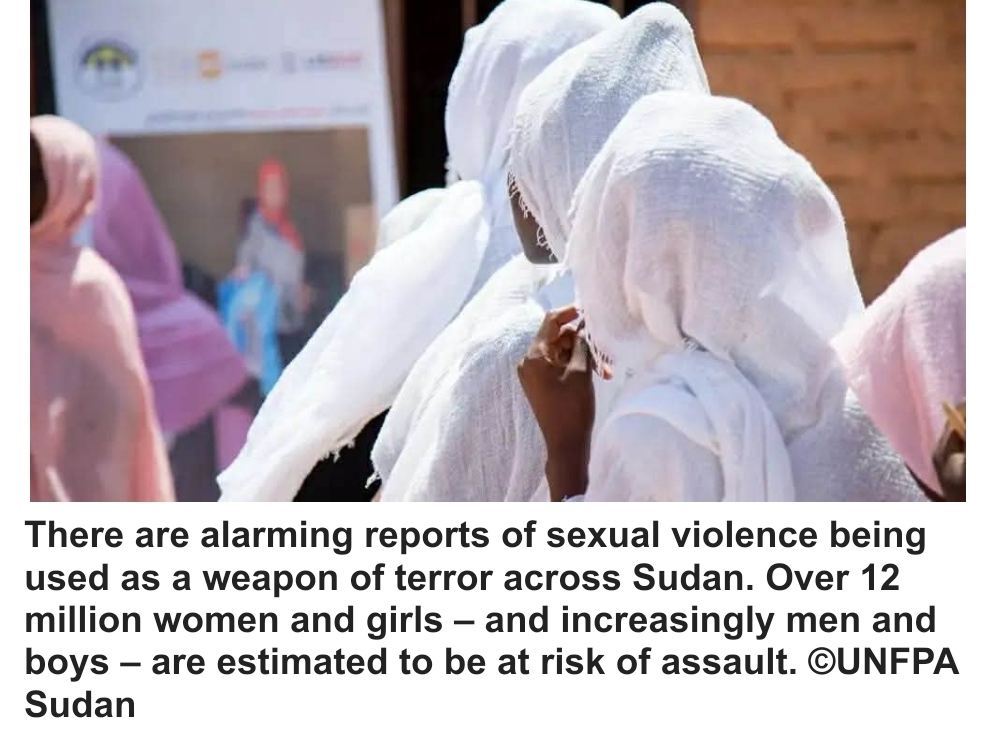
Survivors often face multiple layers of harm physical injuries, trauma, social stigma, and limited access to medical care, psychosocial support, and legal recourse. Fear of retaliation and entrenched gender norms further silence many, allowing abuses to continue unchecked.
Barriers to Protection and Support
The ongoing insecurity and collapse of essential services have severely constrained protection mechanisms. Health facilities are overstretched or inaccessible, and safe reporting pathways remain limited. Humanitarian actors face significant operational challenges, while local women’s organizations, often the first responders operate with scarce resources despite playing a critical role in survivor support.
“Women and girls cannot wait for the conflict to end before their rights are protected,” emphasized UN Women Executive Director Sima Bahous on a recent press release. “Protection must be immediate, survivor-centered, and embedded in all humanitarian and peace efforts”, she added.
The Imperative of Accountability
Impunity remains one of the most significant drivers of continued sexual violence in Sudan. Survivors rarely see perpetrators held to account, reinforcing cycles of abuse and eroding trust in institutions. Accountability is not only a legal obligation; it is essential for healing, deterrence, and long-term stability.
Meaningful accountability requires independent investigations, survivor-informed justice processes, and international cooperation to ensure that crimes are documented and prosecuted. Equally important is the inclusion of women in peacebuilding and decision-making processes, ensuring that responses reflect lived realities and prioritize justice.
A Call to Action
The crisis in Sudan demands urgent, coordinated action from national authorities, regional bodies, and the international community. This includes:
• Strengthening protection mechanisms for women and girls
• Ensuring sustained funding for survivor-centered services
• Supporting local women-led organizations
• Advancing accountability through national and international legal pathways
• Integrating gender-responsive approaches into humanitarian response and peace processes
“Protecting women and girls is not a peripheral issue; it is central to ending the conflict and building a just and lasting peace. Silence and inaction are not neutral; they enable continued harm.” Highlighted the UN Under-Secretary General Amina Mohammed and UN Executive Director Sima Bahous at the UN Security Council high-level open debate on the “Protection of civilians in armed conflict” , 22 May 2025, UN Headquarters. in a joint statement
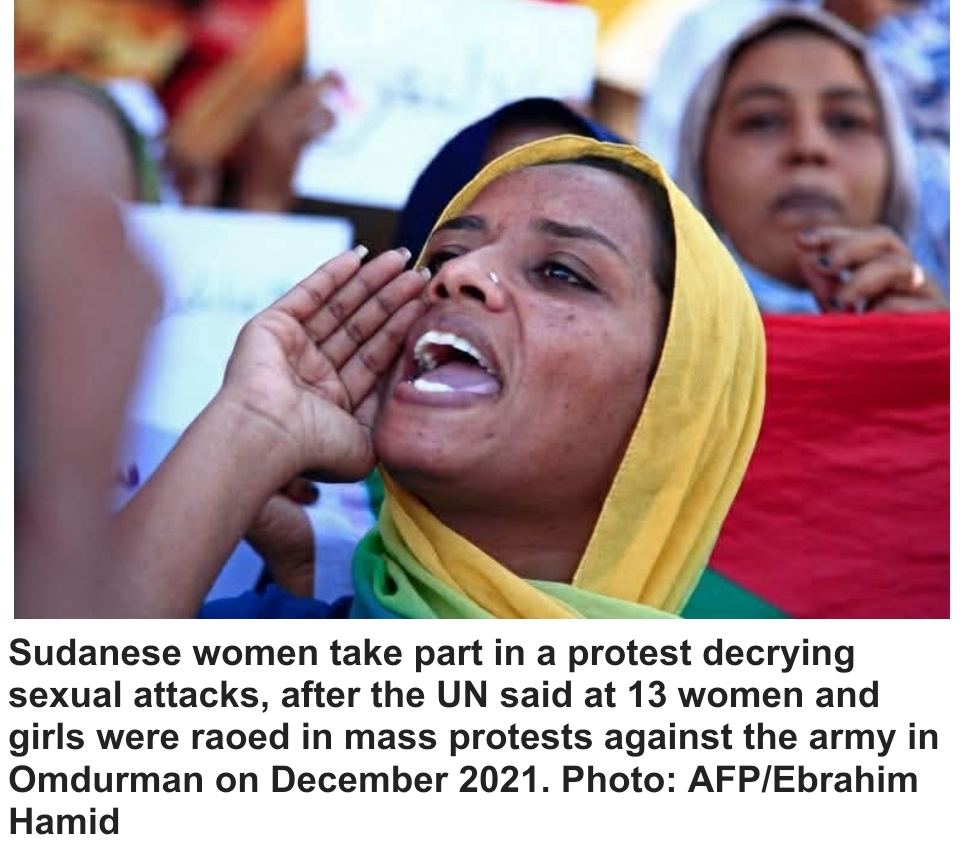
As Sudan stands at a critical juncture, the treatment of its women and girls will be a defining measure of the response to the crisis. Addressing conflict-related sexual violence with urgency, integrity, and resolve is not only a moral imperative, but a necessary foundation for recovery, reconciliation, and a more peaceful future.